

Buy 3 (12 Packs) 4th (12 Pack) Free
Diabetic peripheral neuropathy makes ordinary socks a genuine health risk. Every pair in this collection is specifically chosen for its non-binding fit, seamless toe construction, and soft cushioning — the three features podiatrists most commonly recommend for patients managing nerve damage in their feet. No tight elastic, no internal seams, no rough fabric. Just gentle, protective comfort that works around your condition instead of against it.
What Makes a Sock Good for Diabetic Neuropathy?
Diabetic peripheral neuropathy affects the nerves in your feet, reducing your ability to feel heat, pressure, and pain — which means small irritants like sock seams, tight elastic bands, or rough fabric can cause serious damage before you even notice. The right sock eliminates those risks entirely.
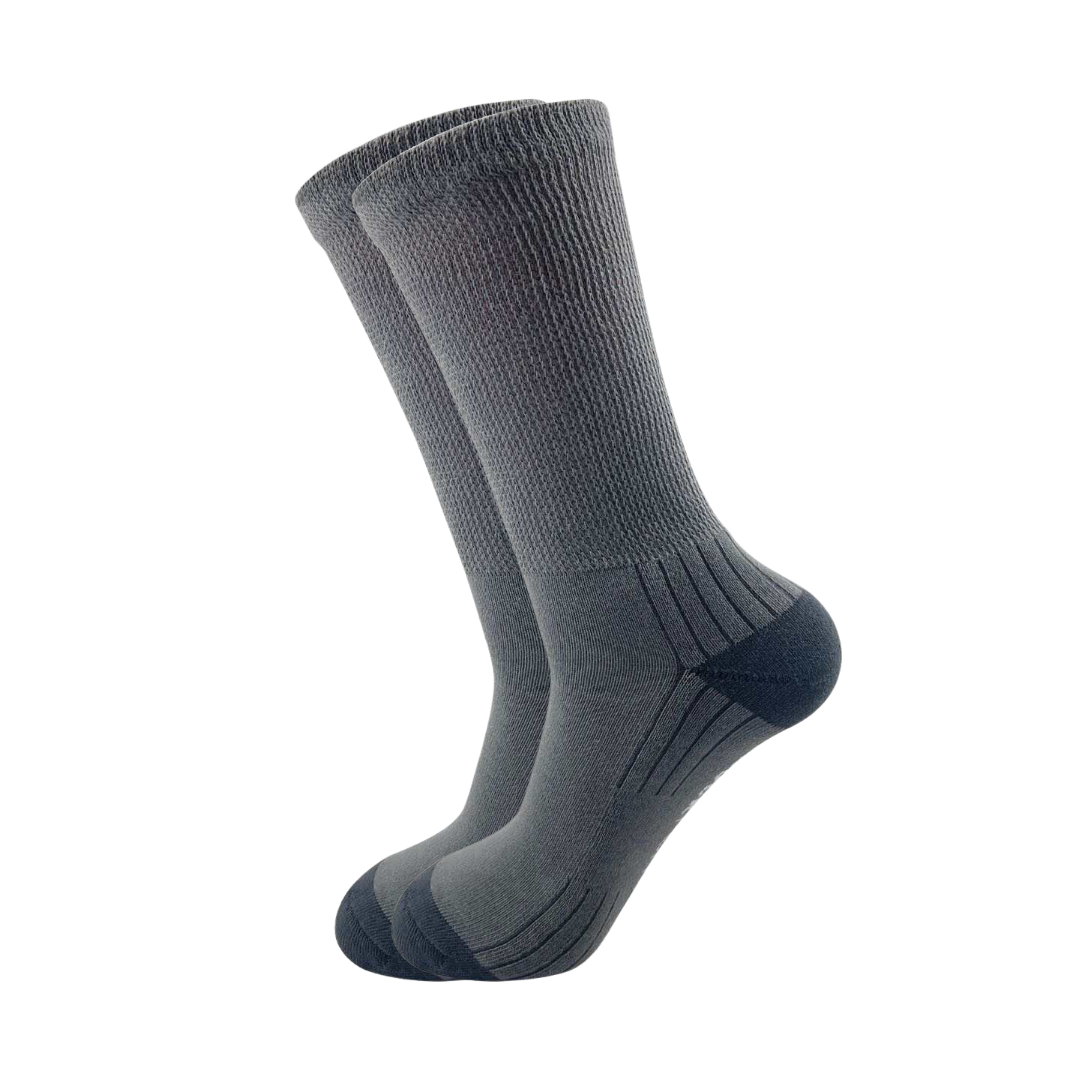
The socks in this collection are built around three non-negotiable features for neuropathy sufferers: non-binding tops that don't constrict circulation or leave indentation marks, seamless toe construction that eliminates internal friction against numb skin, and moisture-wicking fabric that keeps the foot environment dry to reduce infection risk.
Bamboo fiber options in this collection offer the added benefit of natural antibacterial properties, which is especially valuable when reduced sensation makes it difficult to detect early signs of a developing infection.
How to Choose the Right Size for Neuropathy Socks
Fit is critical. A sock that is too tight restricts blood flow, worsening the circulation problems that neuropathy already creates. A sock that is too loose bunches inside the shoe, creating a pressure point. Use your shoe size — not your foot length — to select your size, and always choose the larger size if you are between sizes.
If your feet swell throughout the day, select based on your end-of-day measurement, when swelling is at its maximum. The non-binding tops in these socks accommodate fluctuation without constricting.
Frequently Asked Questions
What type of sock is best for diabetic neuropathy?
Non-binding, seamless diabetic socks are the clinical recommendation for neuropathy. The key features are a loose-knit top that does not compress the calf or ankle, a smooth toe seam that eliminates internal friction, and a soft cushioned sole that absorbs impact. Bamboo and moisture-wicking synthetic blends are preferred over all-cotton for their ability to keep the foot dry, since moisture against insensate skin accelerates skin breakdown.
Can wearing the wrong socks cause neuropathy to get worse?
Wearing socks with tight elastic bands does not cause neuropathy itself, but it can worsen its effects. Constricting socks reduce circulation to feet that are already receiving inadequate blood flow, potentially accelerating nerve damage. They also create pressure points that a person with reduced sensation cannot feel, which can lead to blisters, sores, and infections that escalate quickly. Proper diabetic socks remove these risks.
Are seamless socks really that important for neuropathy?
Yes. Traditional socks have a seam running across the toe box where the fabric is joined. For most people this seam is a minor irritation. For someone with diabetic neuropathy, that seam presses against the same spot on every step, all day long, without any pain signal to indicate damage is occurring. Seamless socks eliminate this entirely — the toe box is either knitted in the round or joined with a flat seam that sits outside the sock rather than inside against the skin.
How often should I replace diabetic socks for neuropathy?
Replace diabetic socks every 3 to 6 months with regular daily wear, or sooner if you notice thinning fabric, stretched-out cuffs, or any holes. Worn fabric loses its cushioning and moisture-wicking properties, and thin spots in the heel or toe area can create pressure points. Buying in multi-packs makes regular rotation easy and cost-effective.
Do diabetic socks for neuropathy need to be white?
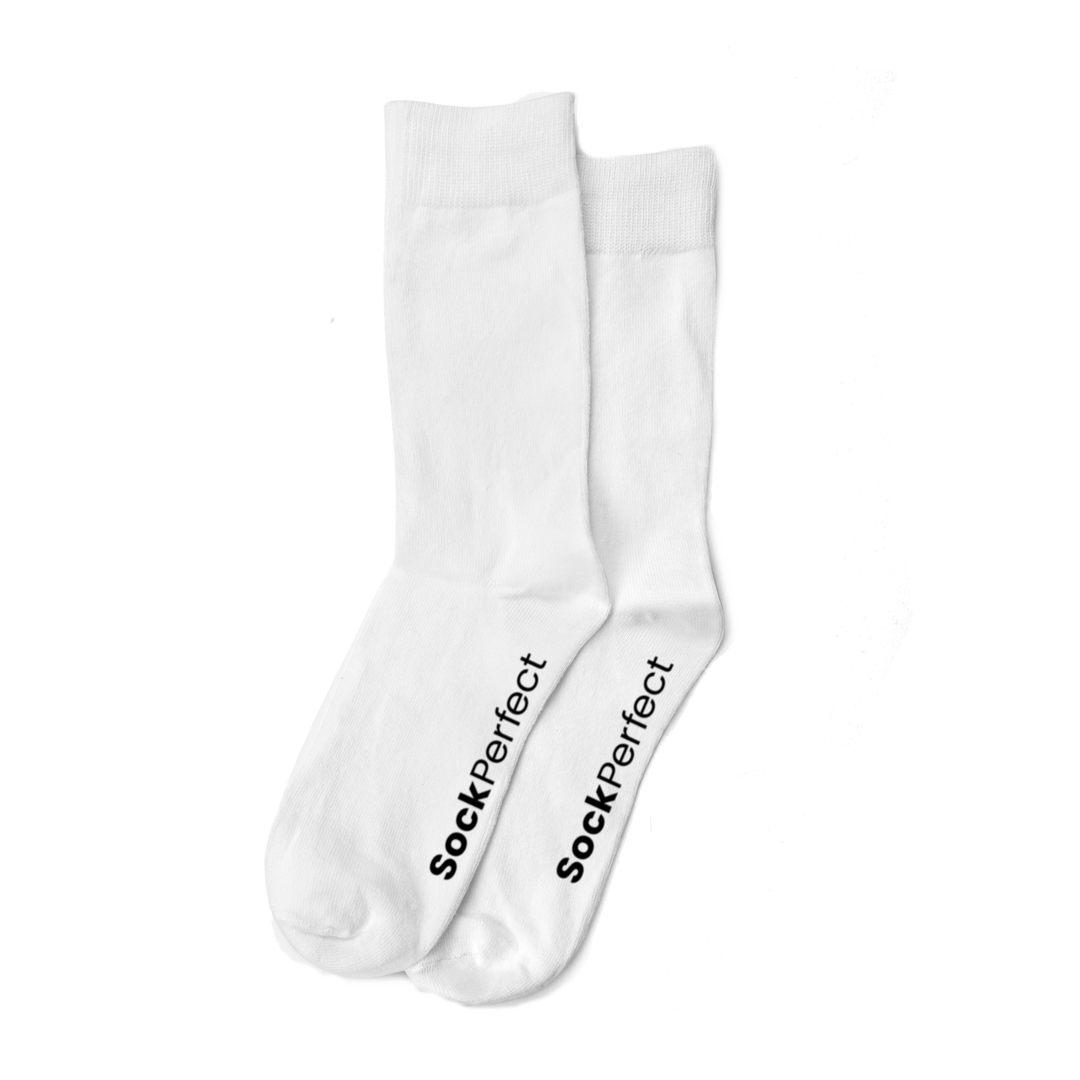
White diabetic socks are sometimes recommended by podiatrists for one specific reason: if you have a wound or infection that is weeping, you will see the discharge on white fabric before you might notice it otherwise. However, any well-made non-binding seamless diabetic sock in any color provides the same protective benefits. The more important factors are fit, seamless construction, and fabric quality.